




What the Winter Equestrian Festival is
Held every winter in Wellington, the Winter Equestrian Festival is billed as the largest and longest-running equestrian competition anywhere, and the scale behind that claim is real. It stretches across thirteen weeks and more than seventy divisions, spanning everyone from young riders and amateurs to the world’s top show-jumping professionals. Everything happens at Wellington International, the 111-acre venue once called the Palm Beach International Equestrian Center, which fields eighteen competition arenas and roughly four hundred permanent stalls.
The stakes match the scale: the festival awarded more than thirteen million dollars in prize money in 2022. For a visitor, though, the useful takeaway is simpler — there is world-class sport on the schedule almost every day for a full quarter of the year, and most of it is open to watch.
When to go: weekdays, weekends and Saturday Night Lights
Because the season runs from January into late March, timing a visit is mostly about the kind of day you want. Weekdays are calmer and easy to wander: the grounds are open to the public from Wednesday through Sunday, and daytime general admission is free, so a mid-week afternoon is the low-key way to watch good sport up close.
The event everyone circles on the calendar is Saturday Night Lights, the weekly grand-prix showcase held under the floodlights. Gates open at 6 p.m. and the featured class begins at 7 p.m., and the evening is built to be a night out as much as a competition — live music, food vendors, pony rides, a petting zoo and other entertainment fill the grounds around the main ring. If you have a single evening to spend, make it a Saturday; if you would rather study the sport without a crowd, come on a weekday.
Where it is, and how to get there
Wellington International sits at 3400 Equestrian Club Drive, in an inland village in western Palm Beach County rather than a beach town — so every approach is a drive in from the coast or down from the north. The closest commercial airport is President Donald J. Trump International (DJT), formerly Palm Beach International, a short hop to the east; the fact box above shows the exact distance and drive time. The route in runs west off the interstate along the main boulevards into the village and out to the showgrounds.
Once you arrive, parking is the thing to plan. On a Saturday night, general parking runs about twenty-five dollars and evening valet about thirty-five, and there is complimentary parking at the nearby Equestrian Village with a free shuttle to the ring — worth knowing on the busiest evenings, when the lots closest to the action fill first.
What it costs to look around
One of the pleasant surprises for a first-timer is how much of the festival you can enjoy for nothing. Daytime general admission is free from Wednesday through Sunday, and even Saturday Night Lights is free to get into — for most spectators the only fixed cost is parking. Beyond that, the venue is a working sport-and-shopping ground, with vendors and dining on site and premium hospitality sold separately for those who want a reserved table at the grand prix.
Because posted prices and hospitality packages change from one season to the next, confirm the current details on the venue’s own website before you go. The free-to-watch basics, though, have held steady, which makes the festival an unusually affordable day out for the calibre of sport on show.
Spectator or exhibitor: two very different visits
It helps to know which kind of visit you are planning, because the two look nothing alike. A spectator comes for a day or an evening — watch a few classes, walk the vendor village, find something to eat, and settle in for the grand prix. That is a self-contained outing you can plan around the schedule and the Saturday nights.
An exhibitor’s festival is the other side of the sport entirely. Owners, trainers, grooms and riders take up residence for weeks at a time, cycling between rented barns, the warm-up rings and the main arenas on a daily rhythm that lasts most of the season, and many rent homes or stabling in Wellington for the whole run rather than commute. If you are competing, or supporting someone who is, you are organising transport and logistics for a season, not a single day — which is where a standing car arrangement, rather than a one-off ride, starts to matter.
A first-timer’s game plan
A few small decisions make the day. For a relaxed introduction, arrive at a weekday competition in the early afternoon, when you can get close to the rings without a crowd. For the full spectacle, plan a Saturday and aim to be on the grounds when the gates open at six, so you have time to eat and find a good spot before the class at seven.
Dress for a day outdoors on grass: comfortable shoes, sun cover early, and a light layer for once the sun drops. Families do well here, thanks to the pony rides and other activities on Saturday nights. And think through the ride before you go, because the one genuine friction point is leaving — when a grand prix finishes, everyone heads for the exit at once. Arranging to be dropped at the gate and collected afterward turns that from the worst part of the night into a non-event.
Getting there without the parking headache
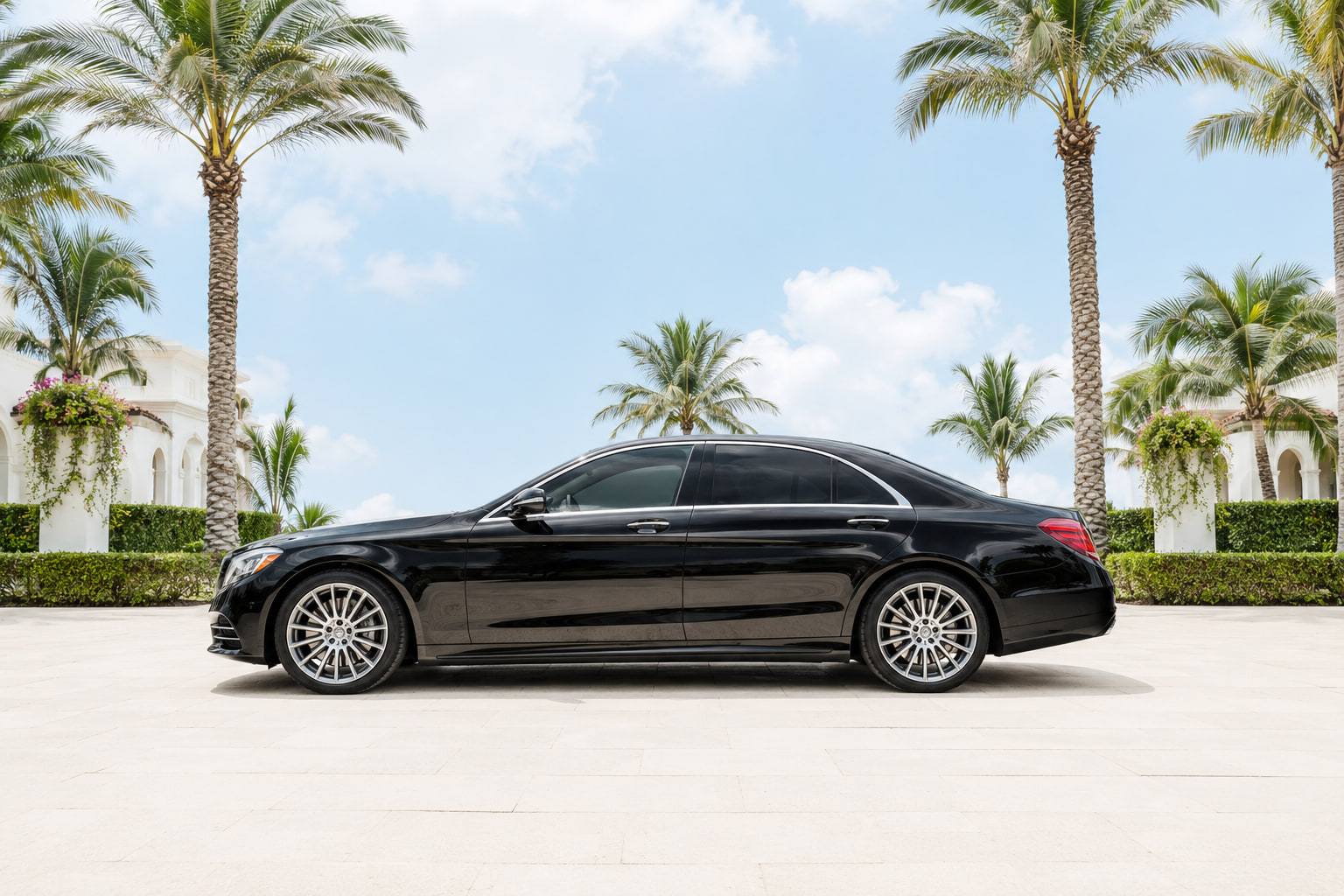
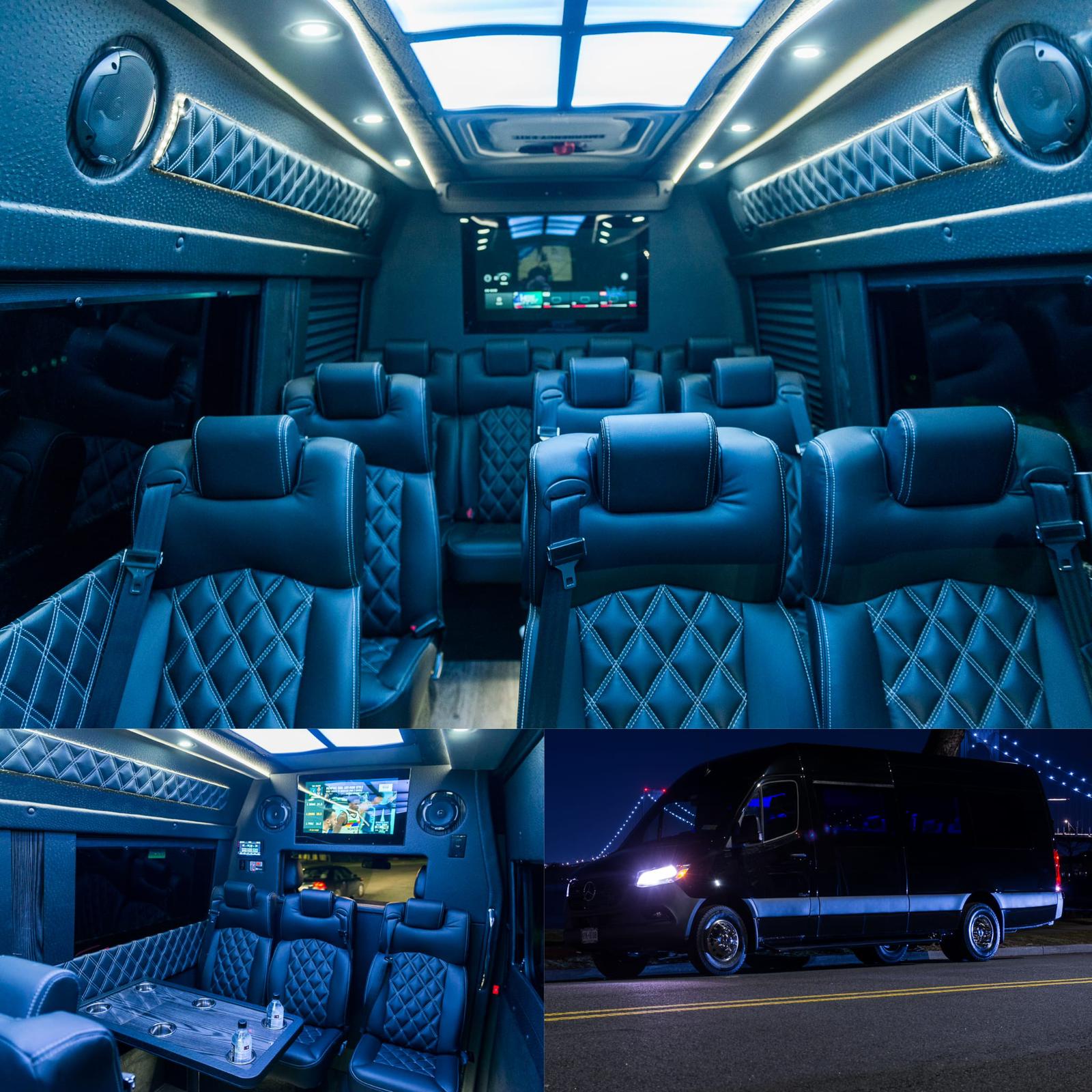
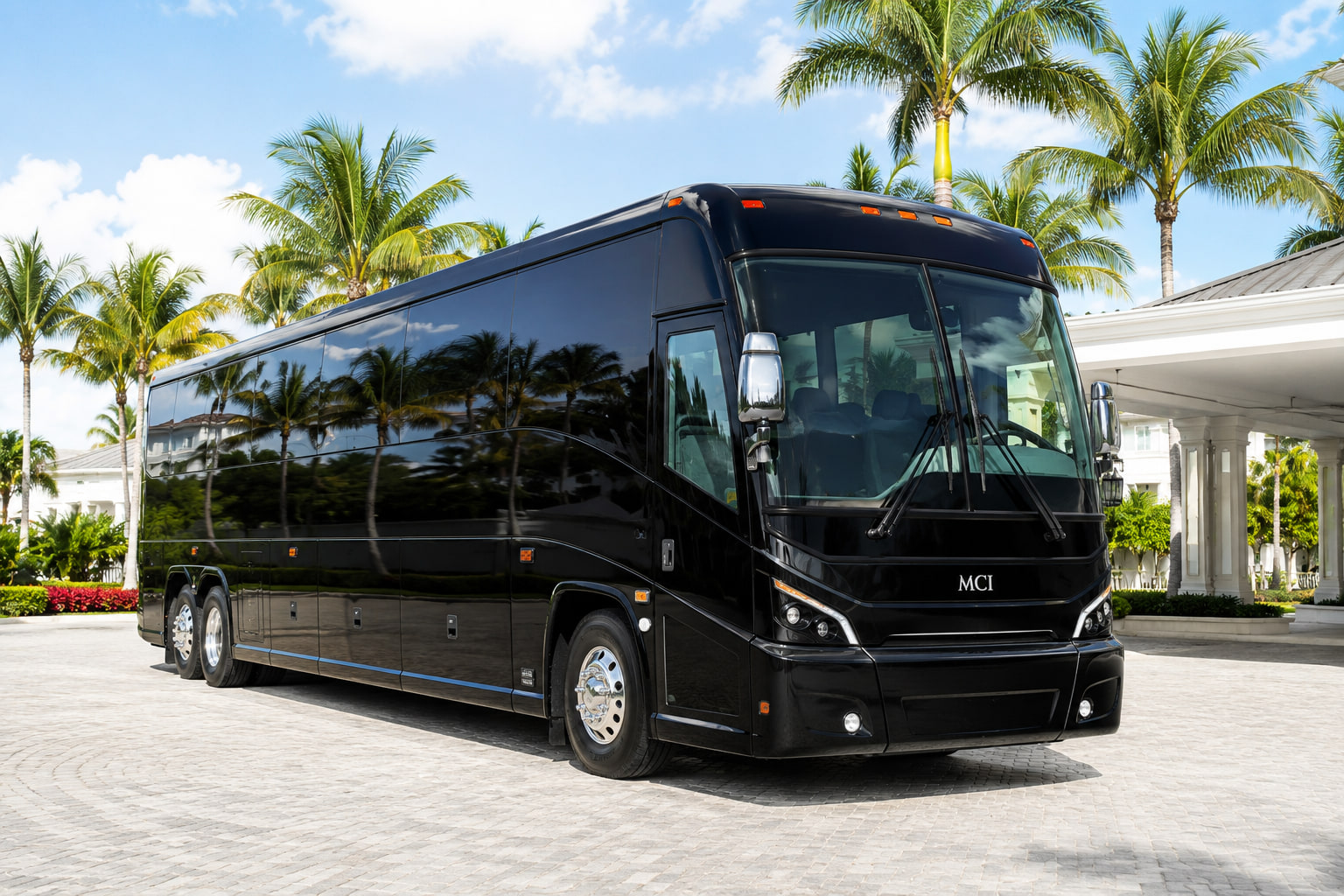
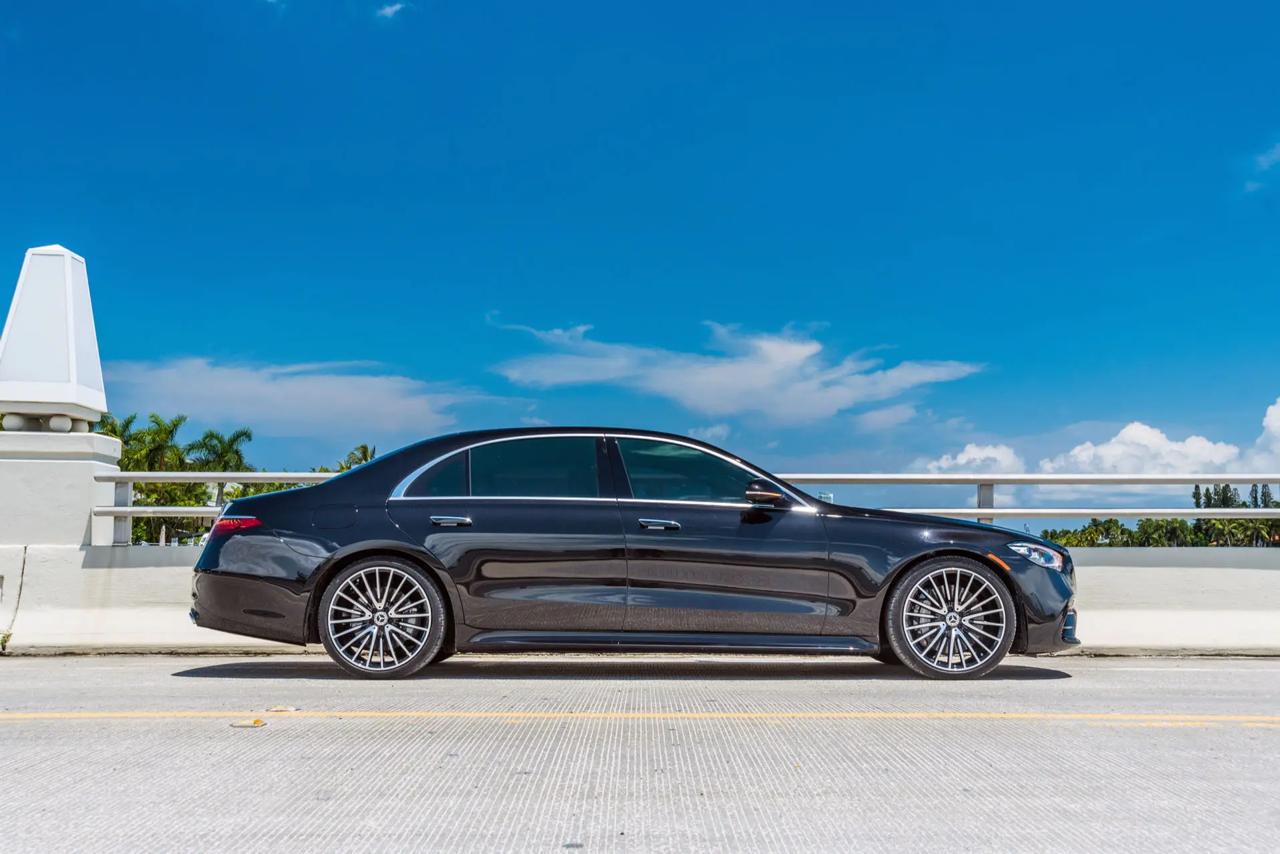
This is where a local chauffeur service earns its place in the plan. Aura Palm Limo handles transport for the festival with a fleet that scales from a sedan for a couple up to a coach for a hospitality group, and its chauffeurs know the show-season roads and the Saturday-night exit. If you are flying in, the same service covers the airport run from DJT; if you are staying on the coast, it carries you inland to the showgrounds and back.
For the details — how the transport is booked, which vehicle suits your group, and the Wellington logistics — the pages below go deeper than a visitor guide should. Start with the ones that match your trip.