
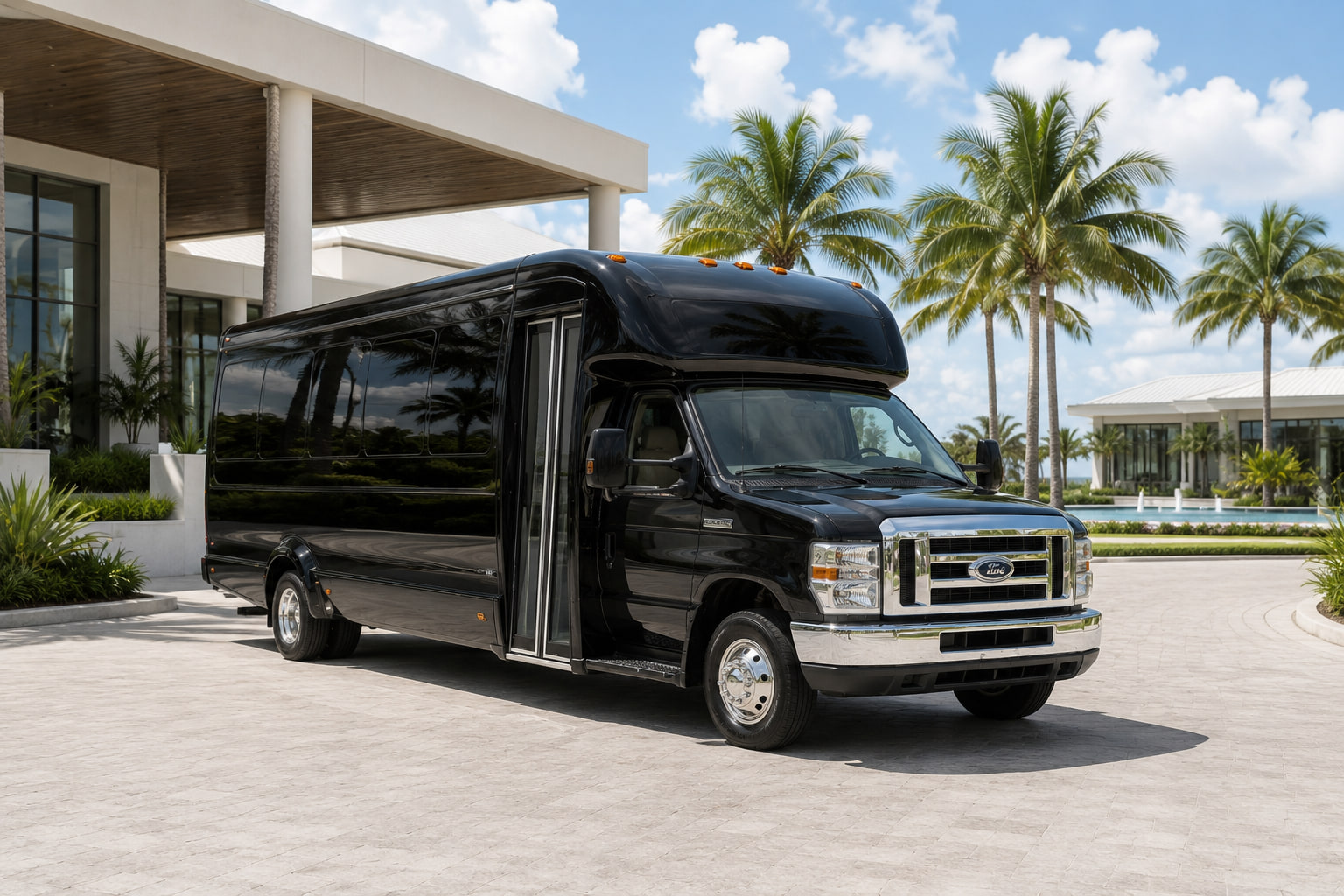
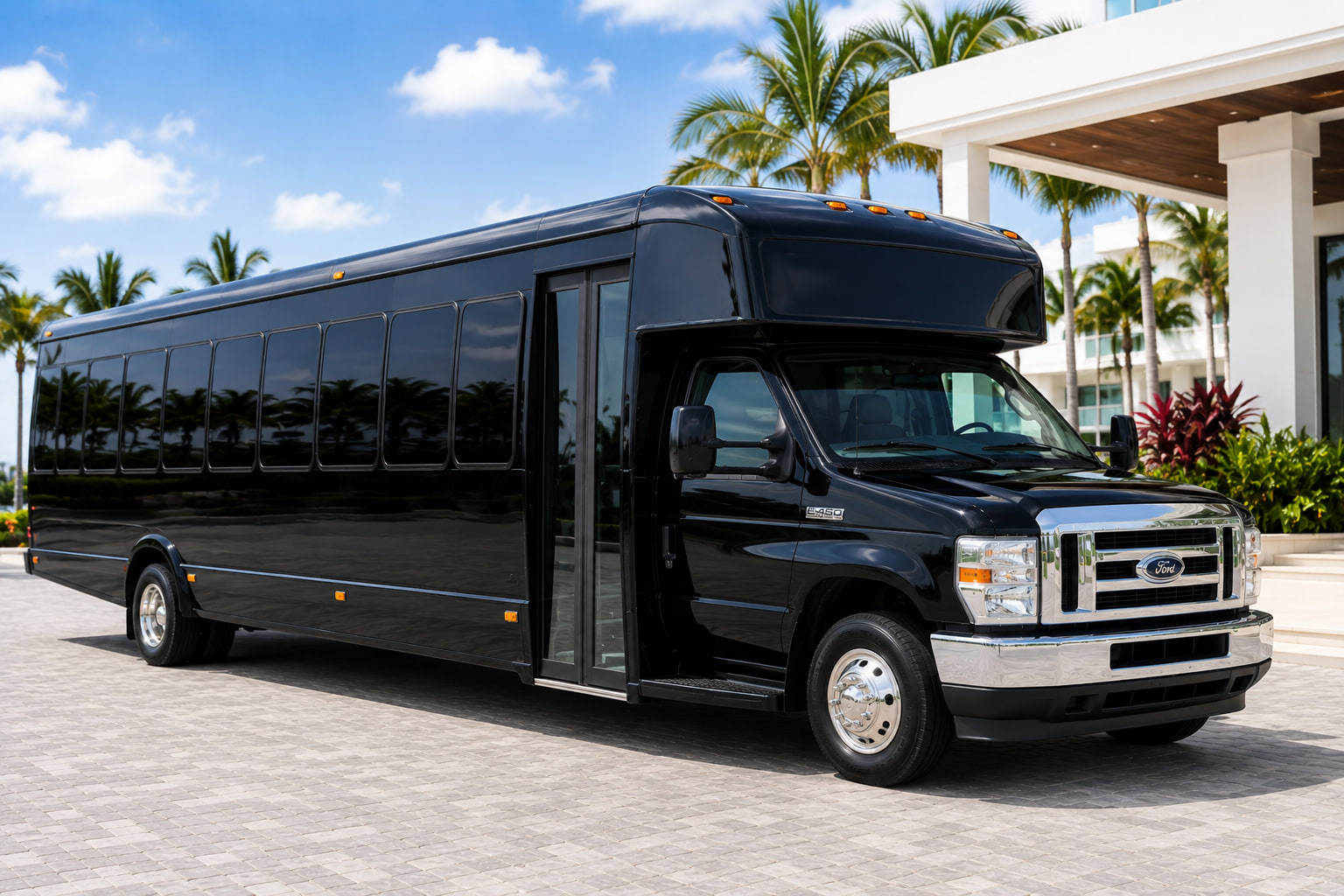
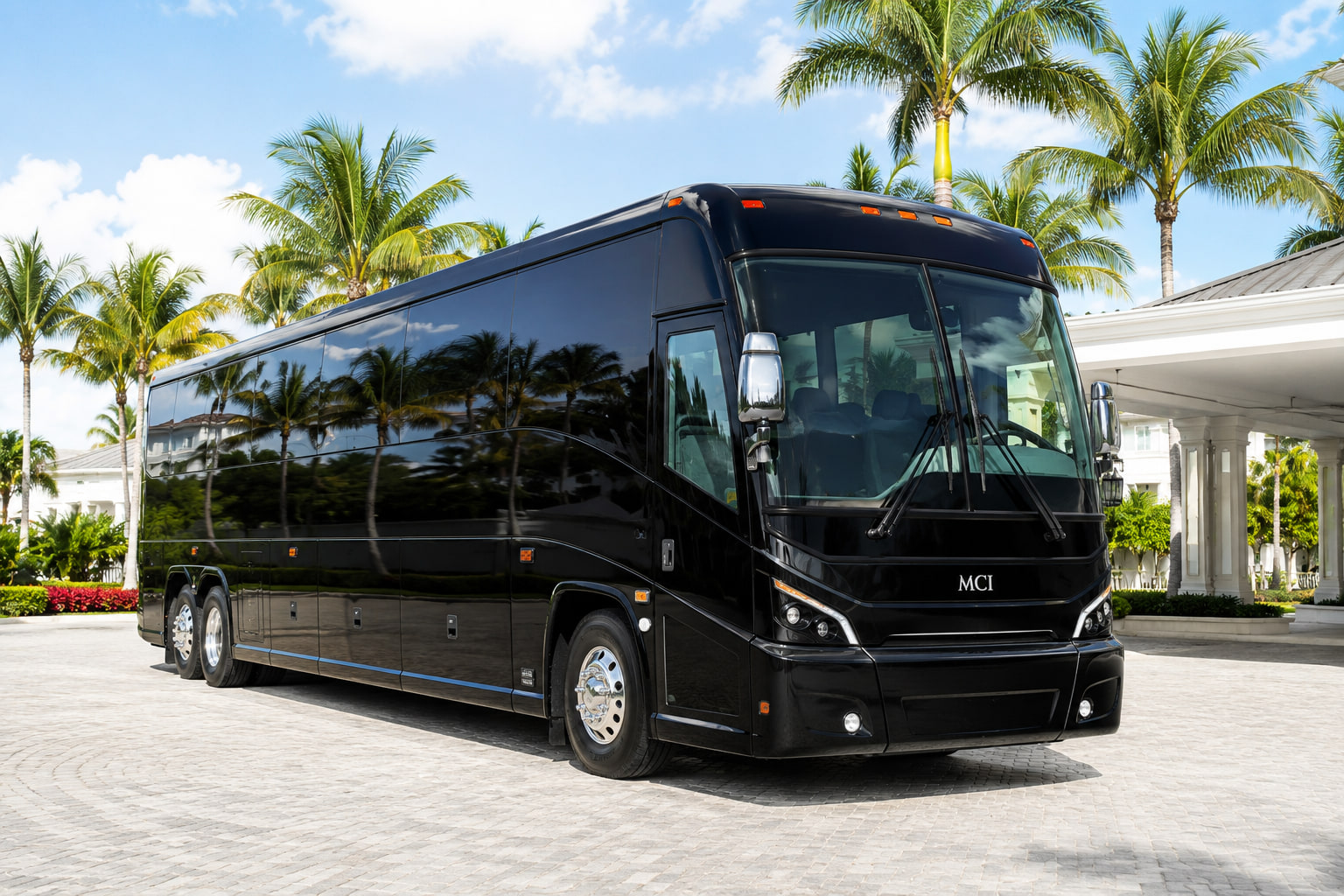
What flying private into South Florida looks like
The appeal of private aviation is mostly about what does not happen. There is no main terminal to walk, no security line to clear on the way out, and no baggage carousel to wait at; the aircraft taxis to a fixed-base operator — the private terminal known as an FBO — and passengers step off into a quiet lounge or straight into a waiting car. Ground handling, fuel and, where offered, customs are all dealt with at that one building.
What that means for planning is that the airport you choose matters more than it would for a commercial trip. Because the region’s executive fields are spread from Palm Beach County down to south Miami-Dade, the right one is simply the one nearest where you are actually going — and the wrong one can add an hour on the ground.
The region’s five executive airports
South Florida is served by five general-aviation airports, each with its own role. Palm Beach County Park Airport in Lantana (LNA) is the closest field to the island of Palm Beach and its northern towns. Boca Raton Airport (BCT) sits in south Palm Beach County and serves the Boca and Delray corridor, with customs on site for international arrivals.
Fort Lauderdale Executive (FXE) is the busiest of the group and the region’s main business-jet hub. In Miami-Dade, Miami-Opa Locka Executive (OPF) is a long-established business-aviation field north of the city, and Miami Executive (TMB), formerly Kendall-Tamiami, sits to the south and west. Each has its own page on this site with the confirmed drive times to central Palm Beach.
Fort Lauderdale Executive (FXE), the business-jet hub
If there is a default business-jet airport for the region, it is FXE. It lies about five miles north of downtown Fort Lauderdale, ranks among the busiest general-aviation airports in the United States with more than 150,000 aircraft operations a year, and runs two runways with U.S. Customs on the field for international flights.
It is also the one field whose FBO operators are confirmed: Banyan Air Service, Signature Aviation, Atlantic Aviation and W Aviation all operate there. Your flight handler books one of them, and that is where the aircraft parks and where a car is directed to meet you — a detail worth passing to your ground transport in advance, since the FBOs sit at different points around the field.
Which field should you use?
Match the airport to the address, not to its size. For the island of Palm Beach, Manalapan, Gulf Stream and the northern county, Lantana is the short hop. For Boca Raton and the south county, Boca Raton Airport lands you nearest. For anything in Broward, Fort Lauderdale Executive is usually the natural choice, and for Miami and the southern suburbs the two Miami-Dade fields, Opa-Locka and Miami Executive, are closest.
The trade-off is that the largest, best-equipped field is not always the fastest door-to-door. A jet that can use Lantana saves the drive up from Fort Lauderdale or Miami; one headed for a Miami meeting gains nothing by landing in Palm Beach County. The confirmed drive times on each airport’s page make the comparison concrete.
Customs, handlers and the FBO
For an international private arrival, customs is handled at the field rather than in a crowded federal inspection hall. Several of the South Florida executive airports, including Fort Lauderdale Executive and Boca Raton, provide on-site U.S. Customs, so an inbound international flight clears at the FBO and passengers are released to the car from there.
The FBO and your flight handler coordinate the arrival — parking, fuel, customs and the timing — and the ground-transport piece slots into that same plan. The more your chauffeur service knows in advance (the field, the FBO, the tail number or handler, and the expected time on the ground), the more precisely the car can be staged.
Getting off the field
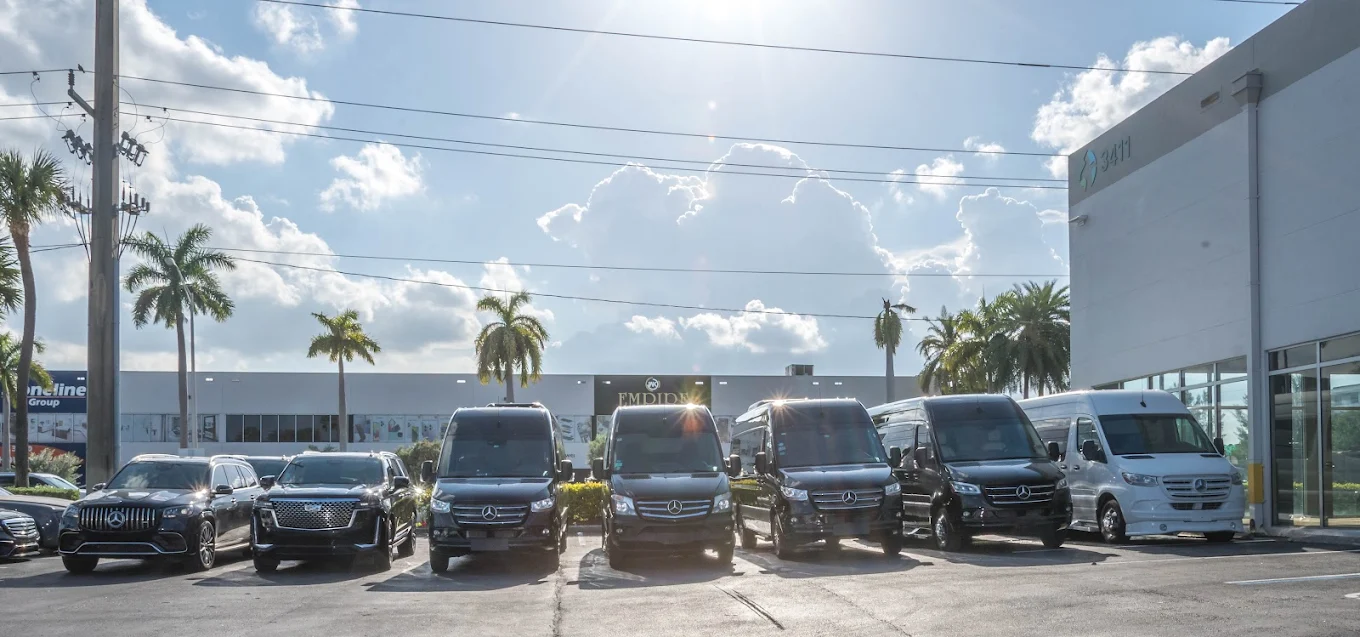
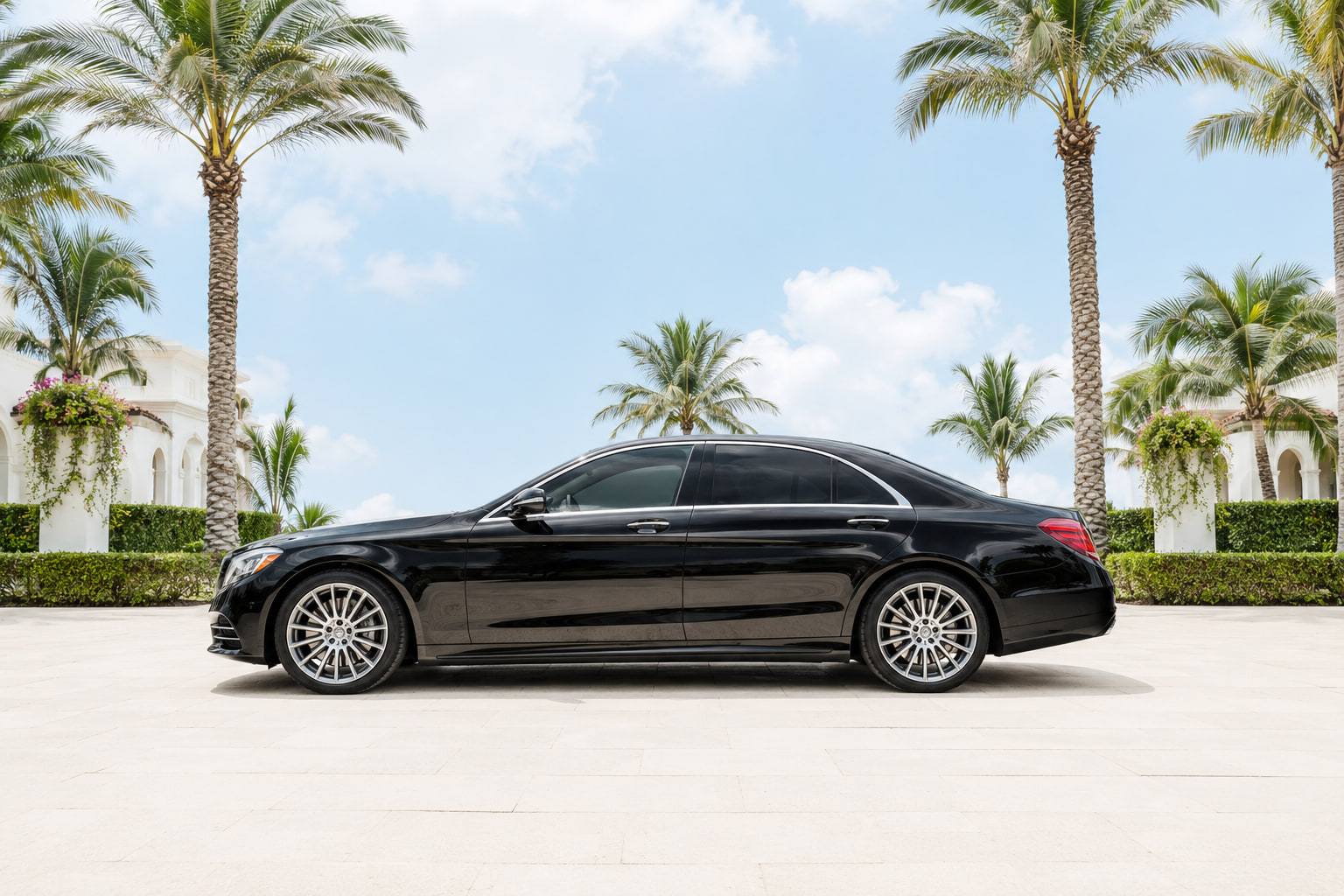
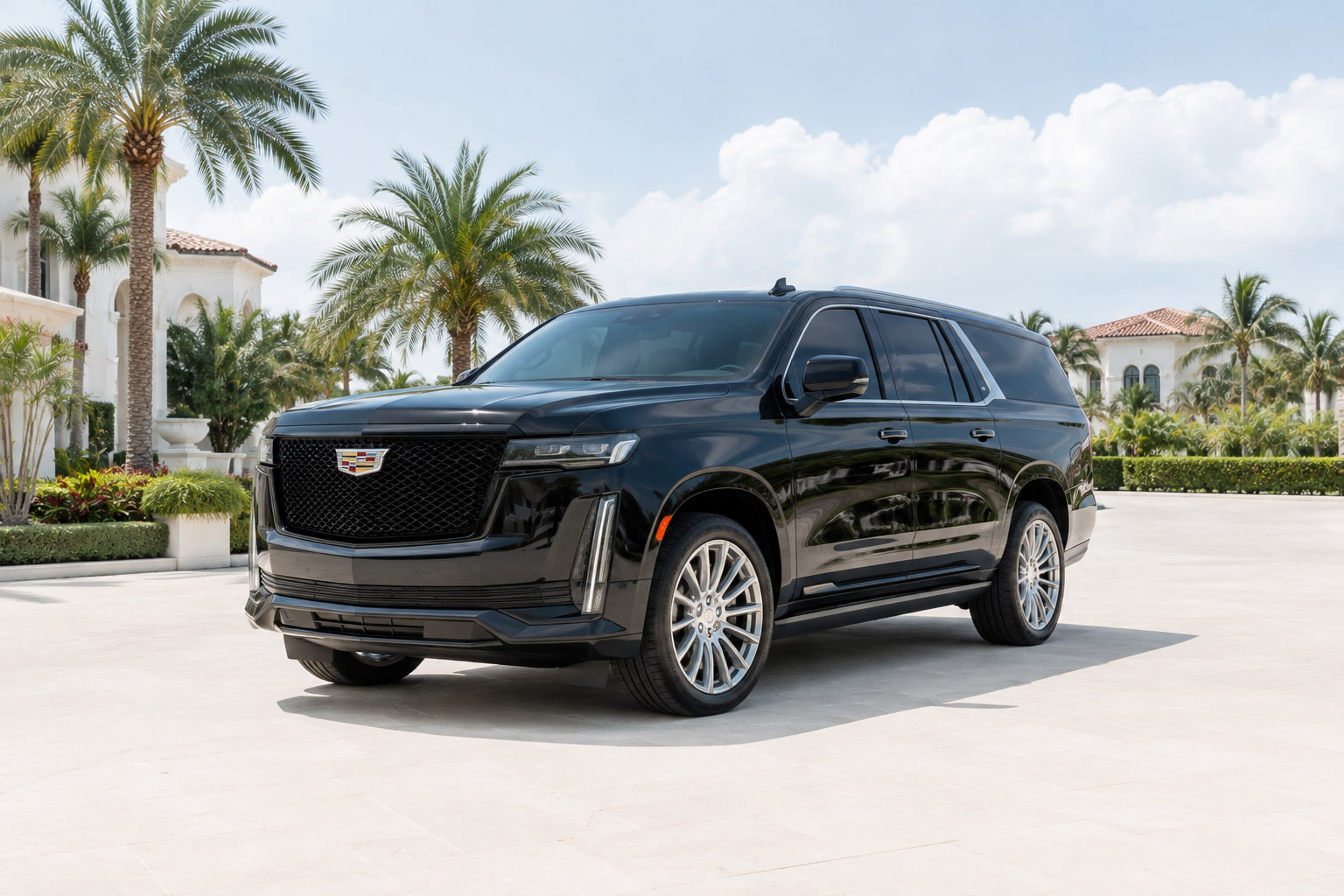
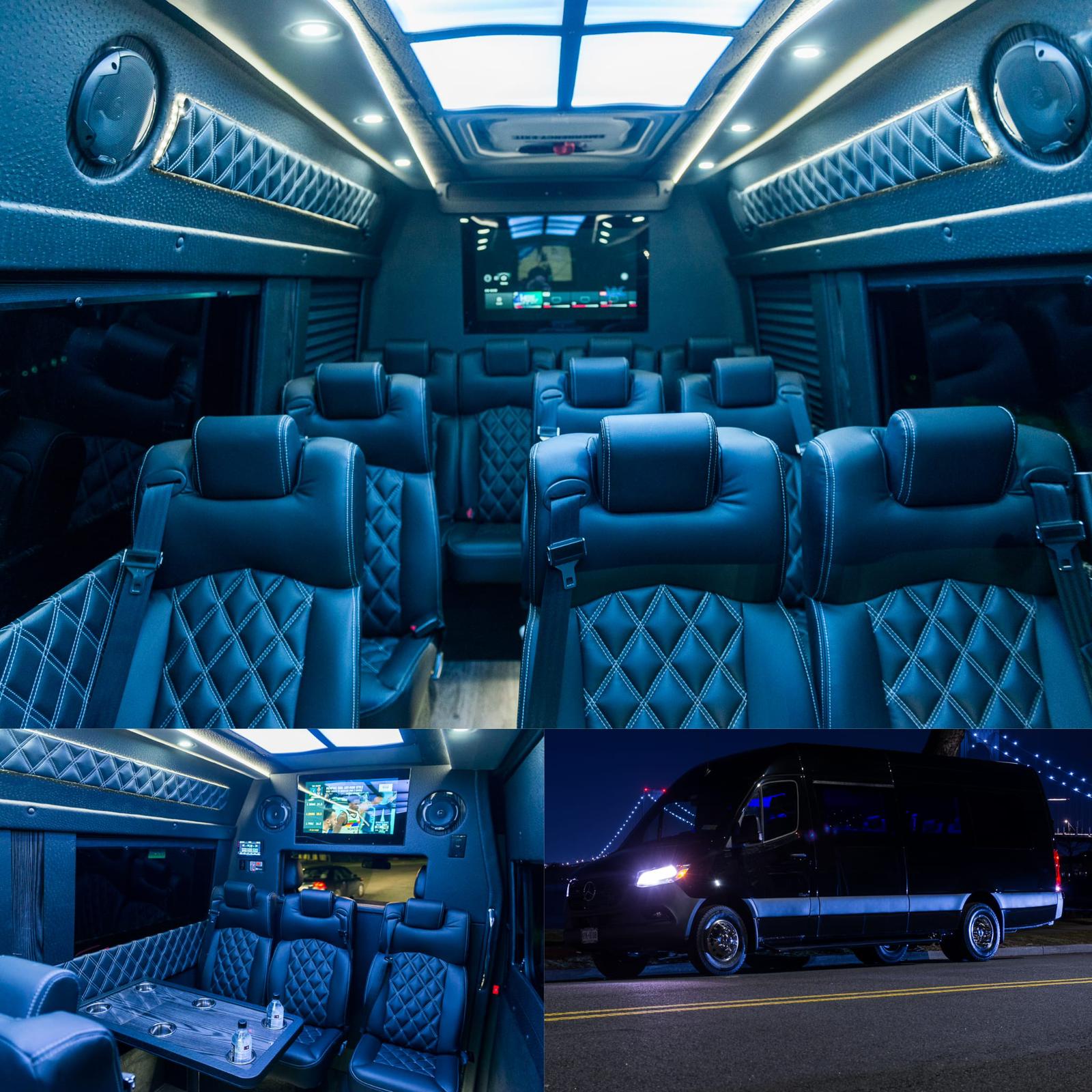
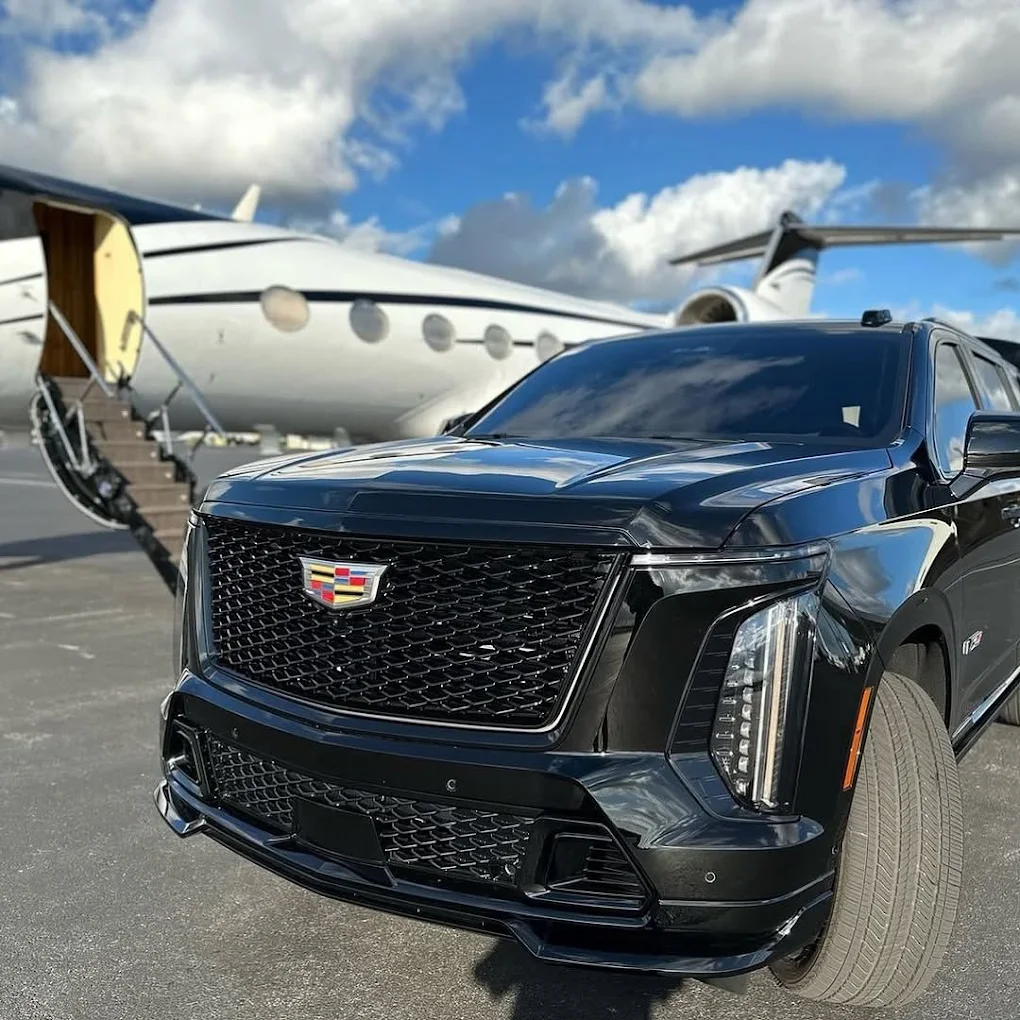
The last leg is the one a car service exists for. Aura Palm Limo runs Private Jet & FBO Transfers across all five fields, meeting the aircraft at the FBO — planeside or in the lounge, as the operator allows — and timed to the arrival rather than a guessed clock. There is no concourse to cross and no curb to find; the car is simply there when you step off.
Because the executive fields are spread across three counties, the vehicle and the routing are planned around the specific field and destination, and the same service covers the outbound leg to the FBO for a departure. The pages below cover the transport and each airport in detail.